Groundwater Temperature: A Key Factor for Nanaimo Homeowners
In Nanaimo and much of Canada, the groundwater temperature is generally pretty cool, especially in the winter. This means your water heater has to work a lot harder to heat cold water up to the temperature you want. Tankless water heaters, especially gas ones, are made to handle these colder temperatures. But the flow rate can suffer as the incoming water gets colder. A unit that’s rated for 3 GPM at moderate temperatures may only deliver 2 GPM when the water’s very cold. Getting the right size unit is crucial. You want one that matches your household’s peak demand and takes into account the local groundwater temperature so you get reliable hot water.
Energy Efficiency & Long-term Savings
One of the biggest advantages of tankless water heaters is how energy efficient they are. By only heating water when you need it, they avoid all that standby heat loss of traditional tank water heaters that are always keeping a tank hot. According to Natural Resources Canada, tankless water heaters can save you up to 30% on your energy costs compared to traditional tank models. That’s lower energy bills and a smaller carbon footprint for your home.
However, it is worth noting that tankless water heaters can come with a higher upfront cost and might need electrical upgrades or a new gas line for installation. But the long-term energy savings and reduced operating costs can make them a smart choice for many Nanaimo homeowners.
Maintenance & Lifespan
To keep your water heater running smoothly, you need to do some regular maintenance, like descaling your tankless water heater every year to remove all the mineral buildup. This will keep it energy efficient and make sure you always get hot water at the right temperature. Traditional tank water heaters need periodic flushing to remove sediment from the tank, too, which can extend their lifespan & improve performance.
Making The Right Choice For Your Next Water Heater
When it comes to deciding between tankless and tank water heaters for your place, you need to take a few factors into account – your household’s hot water usage, the local groundwater temperature and what you’re looking for in terms of energy efficiency and cost savings. Proper sizing, a top-notch installation and some regular maintenance should get you reliable hot water and the most out of whatever system you go with. By weighing all these factors, you should be able to pick out a water heater that fits your needs, saves you a few bucks on your power bill and keeps your Nanaimo home warm all year round.
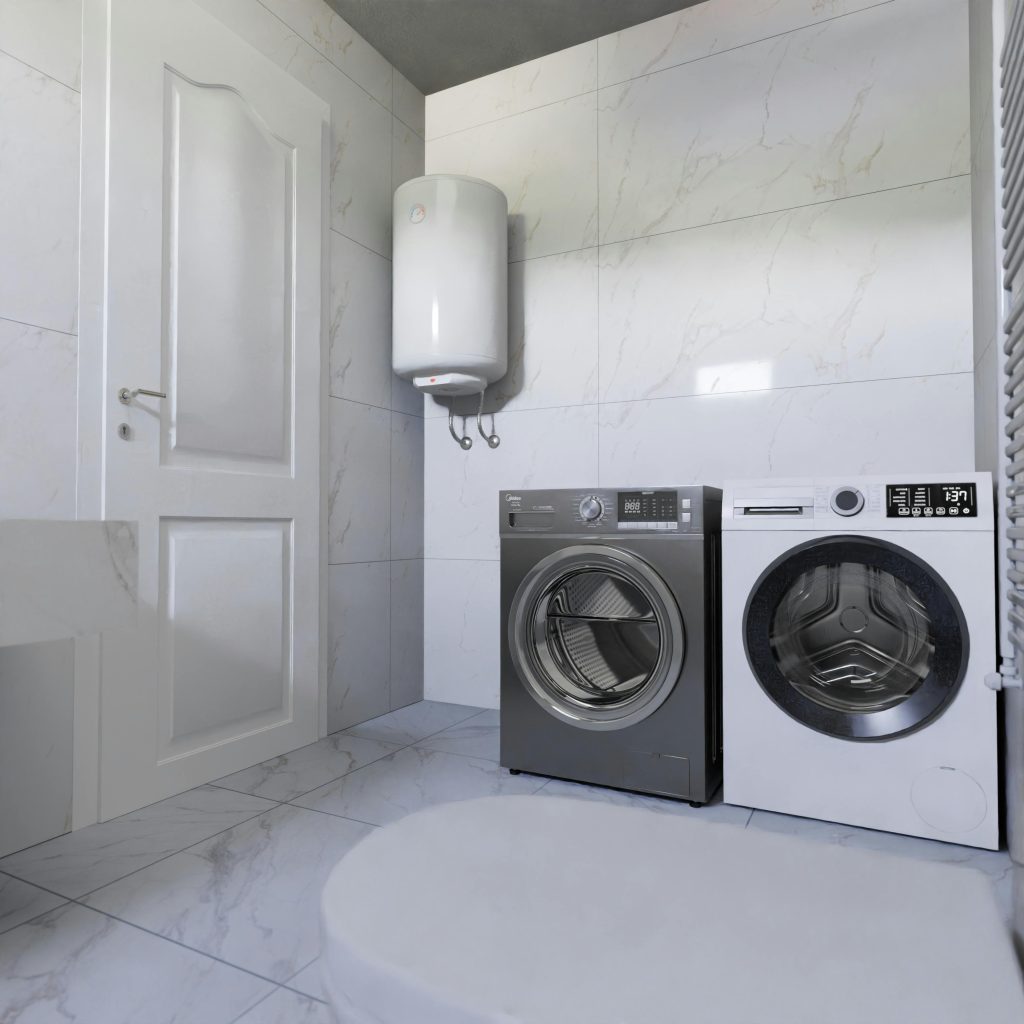
Specific Considerations for Nanaimo Homes – What You Need to Know
Nanaimo’s climate is pretty moderate, with cool, rainy winters and mild summers. That means you’re going to be using hot water pretty much all the time, which makes energy efficiency and reliability really important considerations.
- Energy Costs: Electricity prices are pretty steep in BC, so electric tankless units might actually increase your power bills, but gas tankless models can be a real money-saver. Lots of homeowners in Nanaimo use natural gas for their water heaters, and it’s a pretty cost-effective option – but it does require proper venting and some safety precautions to be taken.
- Space Constraints: Some Nanaimo homes have pretty cramped utility rooms, which makes the compact size of tankless units a real plus.
- Water Demand: If you’ve got a big family and multiple people are using showers and washing machines at the same time, you might need a high-capacity tank or a few tankless units to meet the demand.
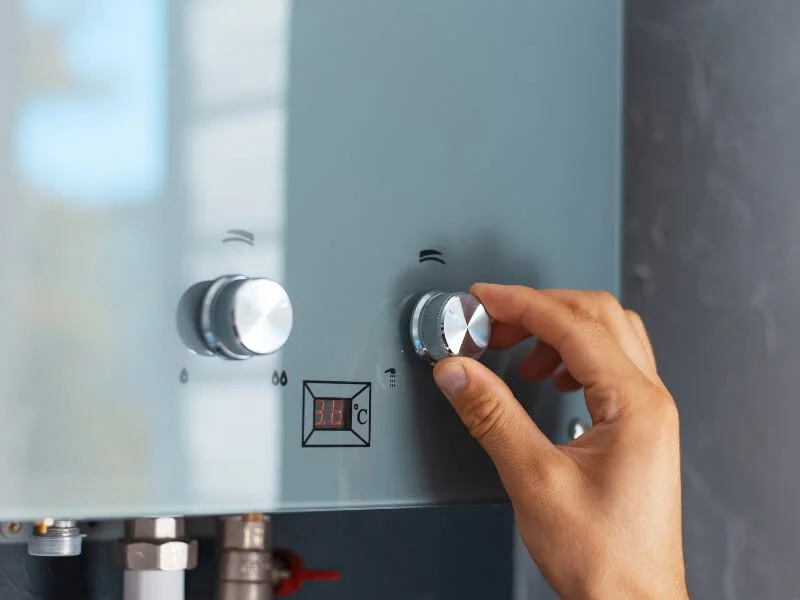
There are some pretty cool new features on modern water heaters, like digital displays and anti-scale technology. These can make a real difference in terms of efficiency and user experience for homeowners in Nanaimo.
When it comes to choosing a water heater, you’re going to need to take a look at your home’s specific set-up, including how much space you’ve got available, what kind of fuel you’ve already got set up and whether you’ve got the right venting to support a tankless water heater unit. Consulting with a water heating expert can really help you assess your needs and figure out the best option for your household.
Comparing Costs: Installation, Running Costs and Maintenance
Initial Purchase and Installation
- Tank Water Heaters: Usually cost between $700 and $1,200 to have installed, depending on the size and type you go with. They’re pretty cheap upfront, and the installation process is pretty straightforward, which is a big part of why they’re such a popular choice for budget-conscious homeowners.
- Tankless Water Heaters: The initial cost is usually a bit higher, with units ranging from about $1,000 to $3,000, depending on the model and what features you’re looking for. Installation is a bit more complicated and can increase the overall cost, especially if you need to upgrade some of your gas lines or electrical systems. And you usually need a professional to make sure it’s all set up right.
Running Costs
- Tank Units: Because they’re always on, they tend to lose heat and cost a bit more to run, month-in and month-out.
- Tankless Units: They only heat water when you need it, which can save you 20-30% on your heating costs.
Maintenance
- Tank Water Heaters: You’re going to want to flush them every 6-12 months to get rid of any sediment buildup and keep them running smoothly.
- Tankless Heaters: They need to be descaled or flushed out every 12 months or so, especially in areas with hard water like Nanaimo.
The Environmental Angle
Tankless water heaters are generally a better bet for the environment because they’re so much more energy-efficient, which means they use less energy to heat the same amount of water, and that’s got to be good for the planet. They usually have higher Energy Factor ratings than tank water heaters do, which is a pretty good indicator of how energy-efficient they are. That not only saves you some cash on your power bill but also reduces your home’s carbon footprint – and choosing a high-efficiency gas tankless model can be especially effective in Nanaimo homes. This will help determine if tankless vs. tank water heaters are better for your home.
Which One is Right for Your Nanaimo Home?
Choose a Tank Water Heater If:
- You don’t mind a higher upfront cost and just want to get the job done cheaply.
- You’ve got a really high demand for hot water at the same time – maybe you’ve got a big family and lots of people showering at once.
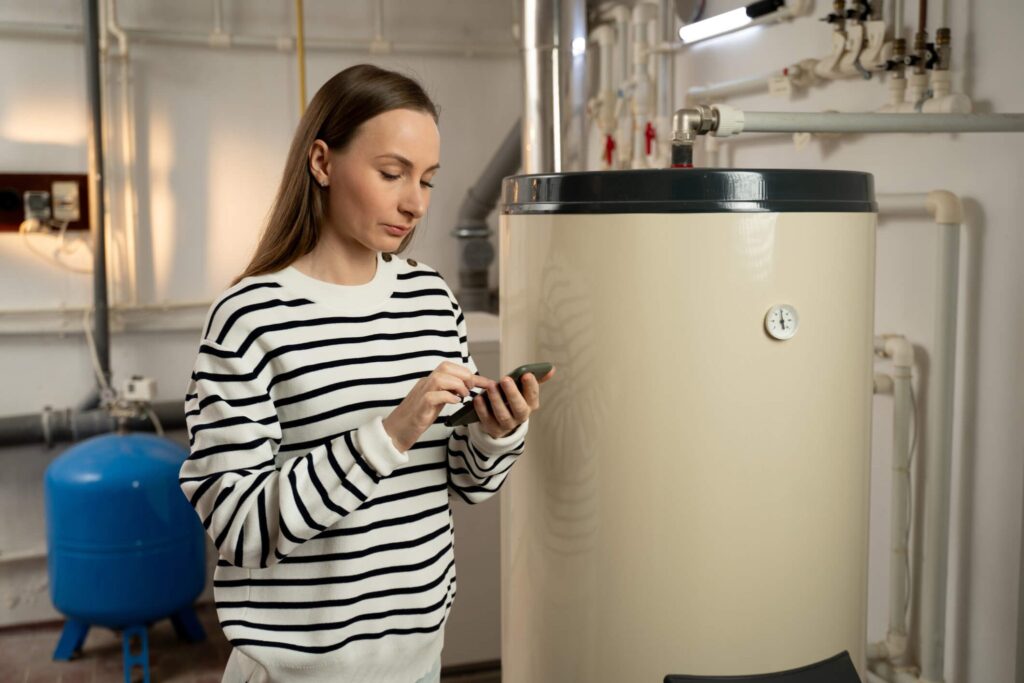
- You’ve got plenty of space for a tank in your utility room.
- You’re not too fussed about the latest and greatest technology and just want something that’s reliable and easy to fix.
Choose a Tankless Water Heater If:
- You want to save some cash on your energy bills and reduce your environmental impact.
- You’ve got limited space for a tank in your utility room.
- You love the idea of having endless hot water whenever you want it.
- You’re happy to invest a bit more upfront for the long-term savings and hassle-free performance of a tankless unit.
Why Choose John G. Plumbing for Your Water Heater Needs?
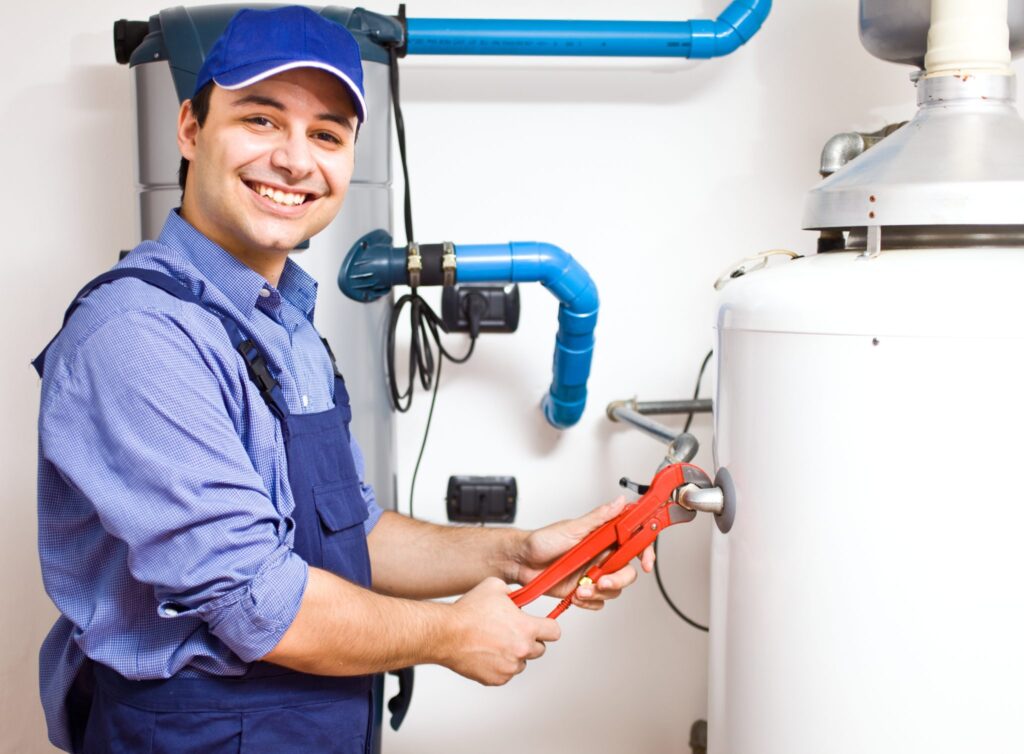
At John G. Plumbing, we’ve been serving homes in Nanaimo for years, installing and servicing both tank and tankless water heaters. Our experienced plumbers can:
- Take a look at your household’s hot water usage and recommend the right system for your needs.
- Install your new water heater with all the right safety codes and regulations in place.
- Keep your water heater running smoothly with regular maintenance to ensure you don’t have any water heater troubles.
- Give you a fair deal on any repairs or replacements you might need.
Ready to upgrade or install a water heater in Nanaimo? Contact John G. Plumbing today to set up a free consultation and quote after deciding which is the better option for your Nanaimo home tankless vs. tank water heater options.
Conclusion for Tankless Water Heater vs. Water Heater Tank Comparison
Deciding between a tankless vs. tank water heater is a pretty big decision. It’s got a pretty big impact on your home’s energy efficiency, comfort and budget. If you take the time to understand the tankless vs. tank water heater pros and cons, the local factors that might apply in Nanaimo, BC, you should be able to make the right choice for your household. Tankless vs. tank water heaters both have their uses, but with spiraling energy costs and space becoming a major issue, a lot of homeowners are now turning to tankless systems for the long-term benefits.
If you’re still unsure whether tankless vs. tank water heaters are ideal for your Nanaimo home, or which one’s right for you or want some professional advice, don’t worry, John G. Plumbing is here to guide you every step of the way.